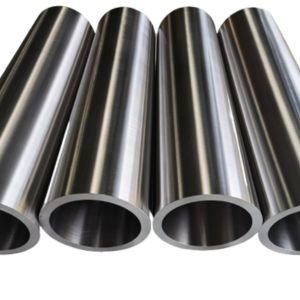

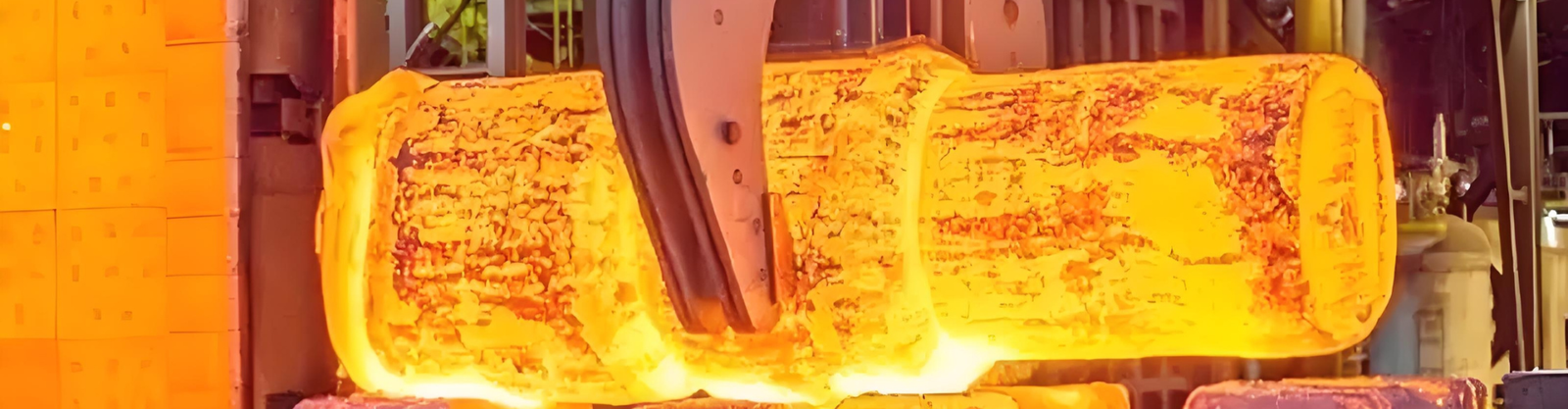
What is Titanium Forging?
Titanium forgings refer to workpieces or blanks produced by the forging of deformed titanium metal ingots. By applying pressure to the titanium blank, plastic deformation occurs, thereby altering its mechanical properties. Forgings can be categorized into cold forging, warm forging, and hot forging based on processing temperature; hot forging is conducted at temperatures exceeding the recrystallization temperature of the titanium blank. Through this process, porosity and voids in the metal can be eliminated, enhancing the mechanical properties of the forged components. Titanium forgings exhibit characteristics such as a broad weight range, low density, high strength, superior specific strength, excellent corrosion resistance, favorable thermal performance, good low-temperature behavior, non-magnetic properties, and low thermal conductivity; thus they find extensive applications across various industries.
The manufacturing process of titanium forgings involves various forging techniques, including but not limited to open-die forging, closed-die forging, free forging, and equal-temperature forging. The choice of these processes depends on the type of titanium alloy, the complexity of the required components, and the requirements of the final application. During the manufacturing process, precise control of temperature and deformation rate is crucial to ensure the organization structure and performance of the forging. The advantages of titanium forgings include high strength, low density, good corrosion resistance, and high-temperature resistance, but also face the challenge of higher production cost.
Titanium alloys are distinguished by their exceptional physical properties, which require more demanding equipment during forging. Specifically, due to the significant higher deformation resistance of titanium alloys compared to carbon structural steel, and the relatively narrow forging temperature range, the equipment required for forging titanium alloys must have greater capabilities. These machines must be able to perform more strikes per unit of time, while a lower deformation rate helps to facilitate the plastic deformation of titanium alloys, ensuring the quality of the forged parts. In practical applications, for large forgings, the hydraulic press is preferred due to its ability to reduce the sudden increase in deformation force; for smaller cross-section forgings, the hammer is favored due to its ability to maintain the forging temperature and reduce the likelihood of cracking.
Titanium Forging By Shapes
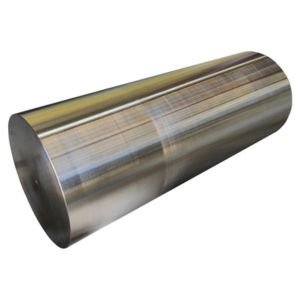
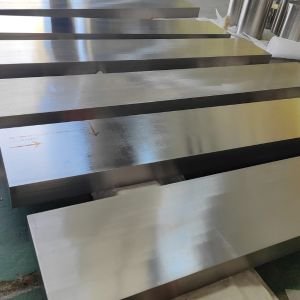
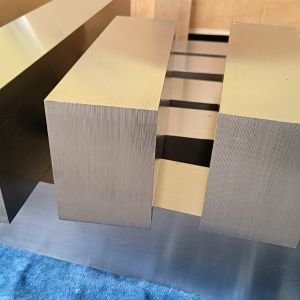
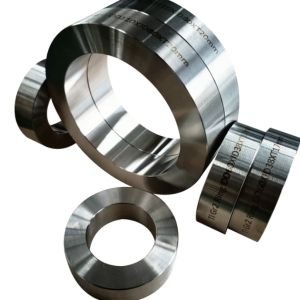
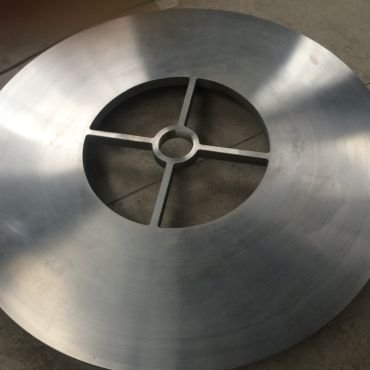
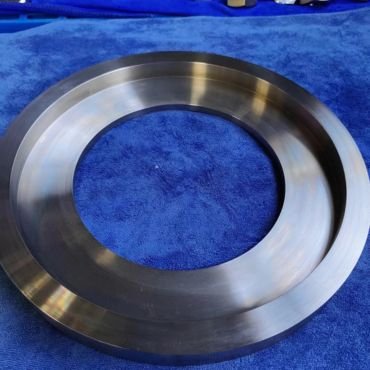
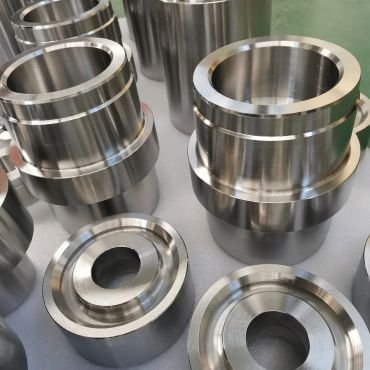
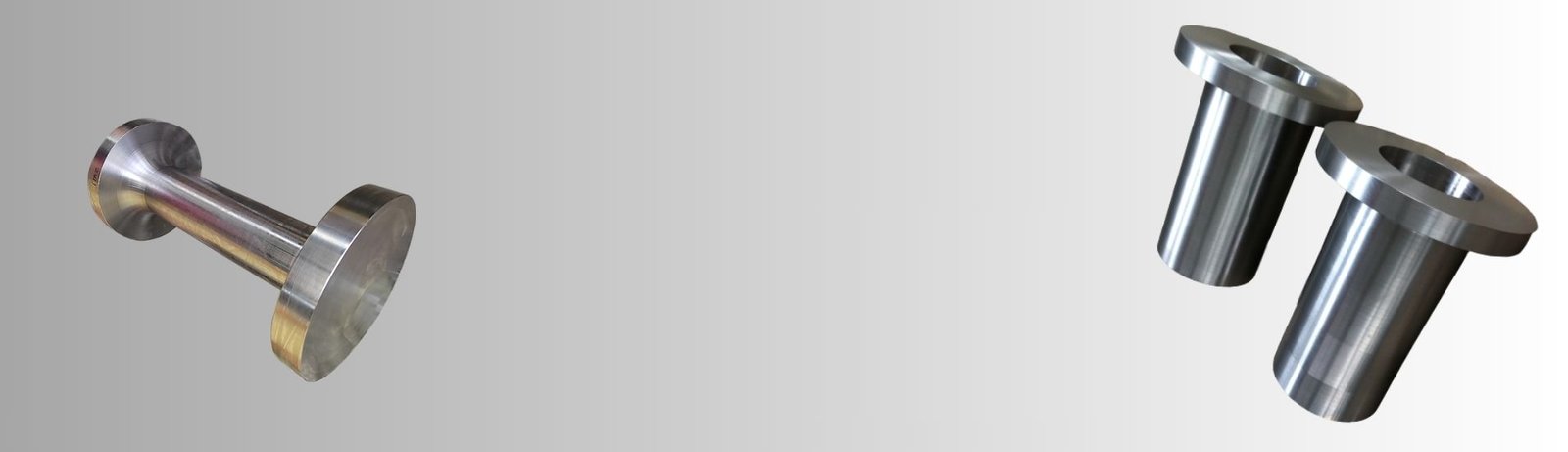
FXZTi titanium forgings can be classified into the following types based on their external shapes and structures: shaft, cuboid, disc, bowl, cylinder, and special structures.
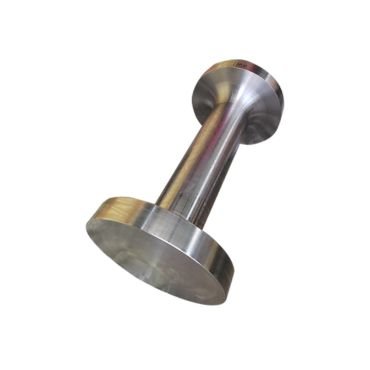
- Grade:Gr1-4,Gr5,Gr7,Gr9,Gr12,Gr23
- Standard:ASTM B348,ASTM B381,AMS4928
- Max Dia: 1800 mm
- Max Length: 10000 mm
- Max. Weight: 15 T
- Surface: Polished
- Detection: UT, PT
- Certificate:ISO9001,EN 1024 3.1
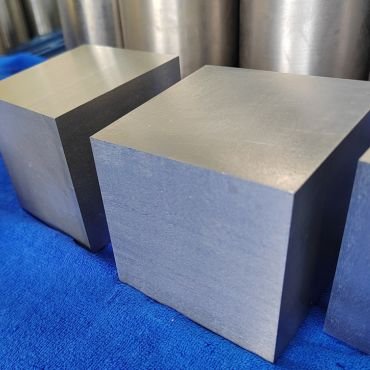
- Grade:Gr1-4,Gr5,Gr7,Gr9,Gr12,Gr23
- Standard:ASTM B348,ASTM B381,AMS4928
- Max Length: 2000 mm
- Max Height:1000mm
- Max. Weight: 5 T
- Surface: Polished
- Detection: UT, PT
- Certificate:ISO9001,EN 1024 3.1
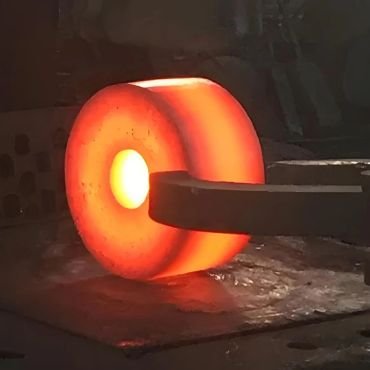
- Grade:Gr1-4,Gr5,Gr7,Gr9,Gr12,Gr23
- Standard:ASTM B348,ASTM B381,AMS4928
- Max OD: 2000 mm
- Min ID:80mm
- Max. Weight: 1500KG
- Surface: Polished
- Detection: UT, PT
- Certificate:ISO9001,EN 1024 3.1
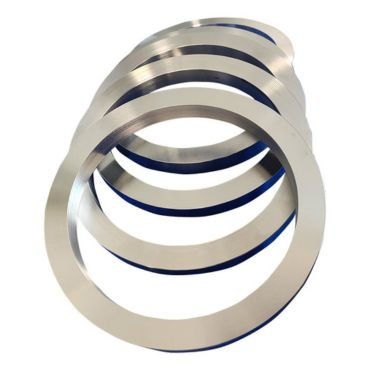
- Grade:Gr1-4,Gr5,Gr7,Gr9,Gr12,Gr23
- Standard:ASTM B348,ASTM B381,AMS4928
- Max OD: 2500 mm
- Min ID:80mm
- Max. Weight: 1000KG
- Surface: Polished
- Detection: UT, PT
- Certificate:ISO9001,EN 1024 3.1
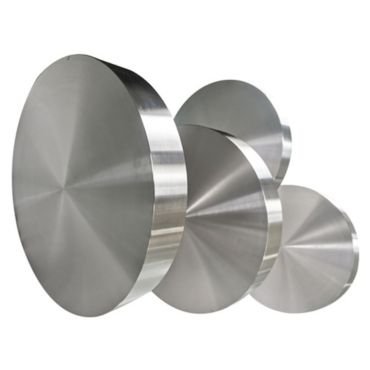
- Grade:Gr1-4,Gr5,Gr7,Gr9,Gr12,Gr23
- Standard:ASTM B348,ASTM B381,AMS4928
- Max OD: 2500 mm
- Min Thickness:15mm
- Max Thickness:500mm
- Max Weight: 1500KG
- Surface: Polished
- Detection: UT, PT
- Certificate:ISO9001,EN 1024 3.1
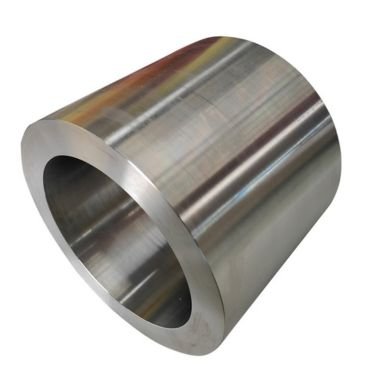
- Grade:Gr1-4,Gr5,Gr7,Gr9,Gr12,Gr23
- Standard:ASTM B348,ASTM B381,AMS4928
- Max OD: 1200mm
- Min Thickness:12.5mm
- Max Height:1500mm
- Max Weight: 750KG
- Detection: UT, PT
- Certificate:ISO9001,EN 1024 3.1
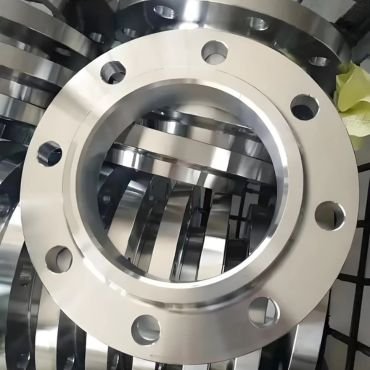
- Grade:Gr1-4,Gr5,Gr7,Gr9,Gr12,Gr23
- Standard:ASTM B348,ASTM B381,AMS4928
- Nominal Pressure Range: PN2.5-PN160
- Nominal Size Range: DN10-DN2000
- Flange Type Code: PL SO WN IF SW Th BL
- Detection: UT, PT
- Certificate:ISO9001,EN 1024 3.1
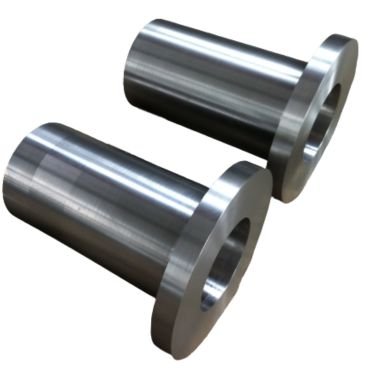
- Grade:Gr1-4,Gr5,Gr7,Gr9,Gr12,Gr23
- Standard:ASTM B348,ASTM B381,AMS4928
- Manufacturing Method: CAD Drawings
- Forging Method: Hot Forging
- Detection: UT, PT
- Certificate:ISO9001,EN 1024 3.1
Titanium Forging By Grades
-
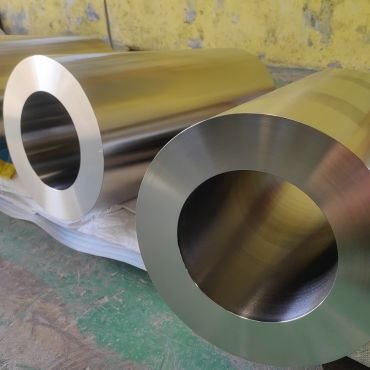
- Main Components: Ti
- Tensile Strength:≥400 Rm/MPa
- Yield Strength:≥275 Rp0.2/MPa
- Elongation:20%
-
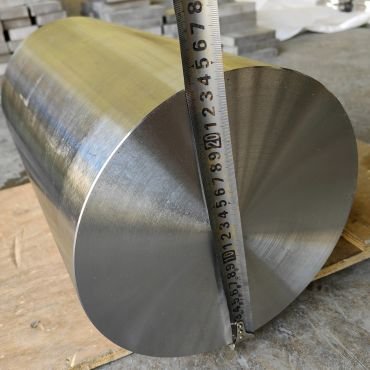 Gr5 (Ti64) Titanium Forging
- Main Components: Ti6AL4V
- Tensile Strength:≥895Rm/MPa
- Yield Strength:≥825Rp0.2/MPa
- Elongation:10%
-
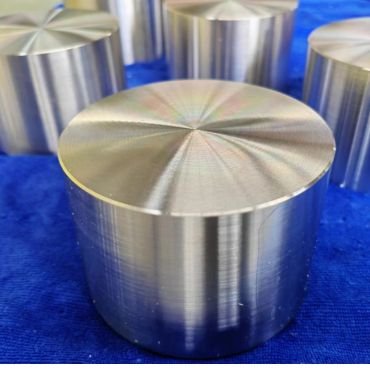 Gr7(Ti-0.25Pd) Titanium Forging
- Main Components: Ti-0.25Pd
- Tensile Strength:≥370Rm/MPa
- Yield Strength:≥250Rp0.2/MPa
- Elongation:20%
-
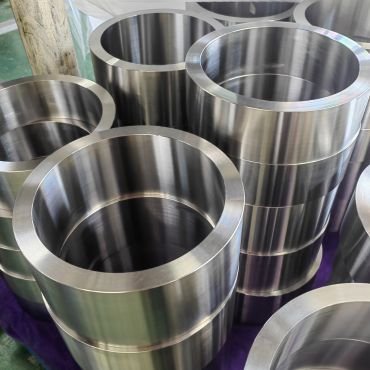 Gr12(Ti-0.3Mo-0.8Ni) Titanium Forging
- Main Components: Ti-0.3Mo-0.8Ni
- Tensile Strength:≥485Rm/MPa
- Yield Strength:≥345Rp0.2/MPa
- Elongation:18%
-
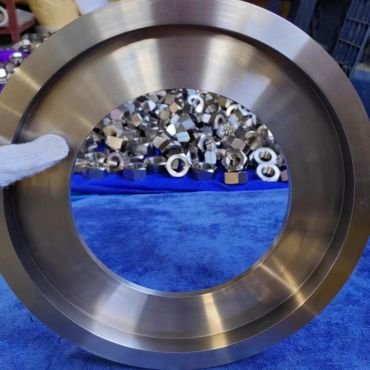 Gr5 ELI&Gr23 Titanium Forging
- Main Components: Ti6AL4V
- Tensile Strength:≥895Rm/MPa
- Yield Strength:≥825Rp0.2/MPa
- Elongation:10%
-
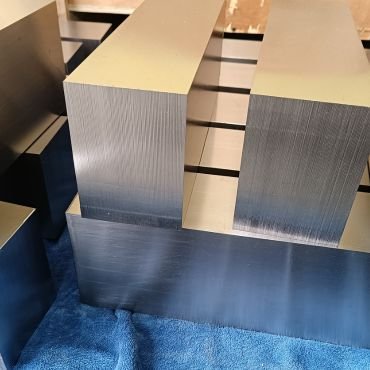 Ti-6242 Titanium Forging
- Main Components: Ti-6Al-2Sn-4Zr-2Mo-Si
- Tensile Strength:≥1150Rm/MPa
- Yield Strength:≥923Rp0.2/MPa
- Elongation:15%
Titanium Forging By Different Industries
-
 Titanium Forgings for Ships
 -
 Titanium Forgings for Automotive Industry
Titanium Forging Process
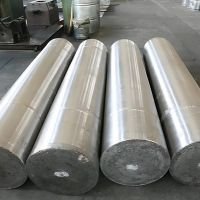
The selection of titanium alloy forging material is very important, and generally, good-quality titanium alloys with good processing properties are chosen as raw materials.

Before forging, the raw material needs to be pre-treated, such as removing the oxide scale.
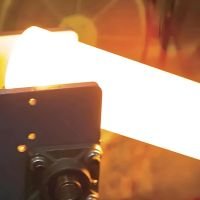
Heat the pre-treated billet to a certain temperature to make it have enough plasticity.
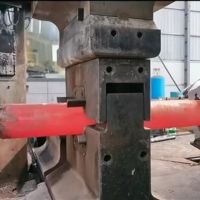
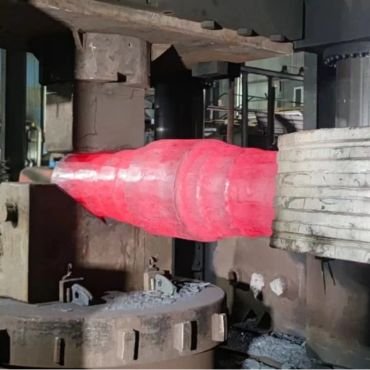
Place the heated billet into the forging equipment and shape it into the desired shape by hammering or pressure.
The Application Scope of FXZTi Titanium Forgings is Extensive
FXZTi has accumulated over 15 years of rich experience in producing titanium forgings. We implement strict process control plans, from titanium ingot manufacturing to forging. We are equipped with advanced forging equipment of 2500 tons to ensure that product quality reaches excellent levels. Our chemical composition, appearance dimensions, microstructure, and mechanical properties have received consistent recognition and high praise from many customers. With the continuous development of our titanium forging business, our titanium alloy forgings are now widely used in various fields such as aerospace, energy, automotive industry, medical devices, and sports equipment.
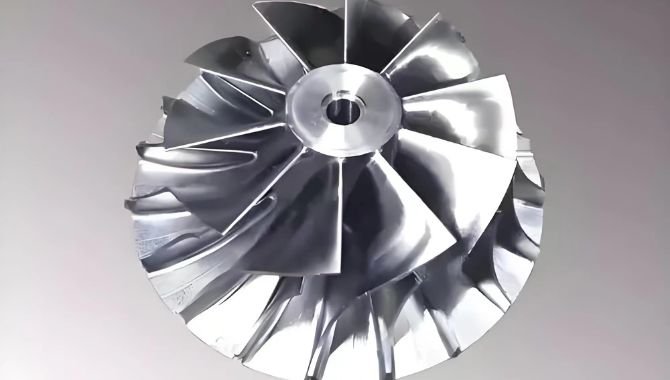
The Criteria for Assessing The Quality of FXZTi Titanium Forgings Are Highly Stringent
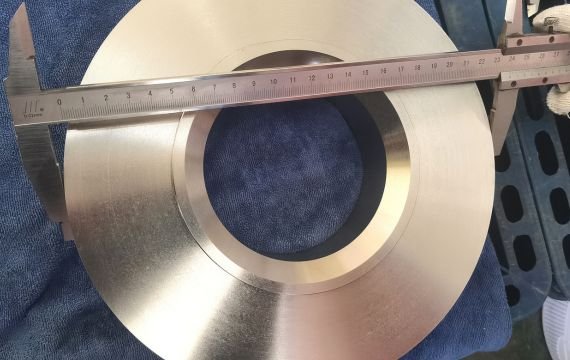
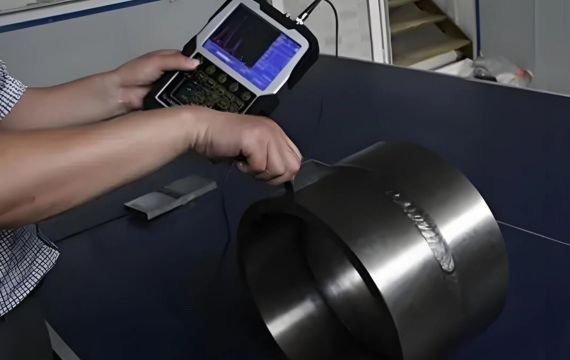
FXZTi has established a comprehensive ITP (quality inspection plan)and QCP (quality control plan), and the inspection of titanium forgings mainly includes the following aspects:
Chemical composition inspection:
Chemical composition inspection is crucial for judging the quality of metal forging products. For general forgings, the composition is determined by sample analysis at the furnace mouth during smelting. However, for important or questionable forgings, chemical or spectroscopic analysis of chips can be conducted.
Visual and dimensional inspection:
Visual and dimensional inspection checks for surface defects, shape errors, and size discrepancies in forged parts to ensure they meet specified dimensional requirements.
Macroscopic organization inspection:
Macroscopic organization inspection involves examining the surface or cross-section of forged parts using methods such as sulfur printing, hot acid etching, cold acid etching, and fracture examination to detect defects such as cracks, segregation, and white spots.
Microstructural examination:
Microstructural examination involves the observation and analysis of the microscopic structure and distribution within a forged component using an optical microscope. This process aids in elucidating the relationship between microstructure and the performance of the forged component, as well as revealing the distribution of segregation and various compounds.
Non-destructive testing:
Non-destructive testing includes ultrasonic testing, magnetic particle testing, and radiographic testing. These methods can detect internal or surface defects in forgings without destroying them, and have the advantages of high penetration, high sensitivity, and easy operation.
Advantages of FXZTi Titanium Forgings
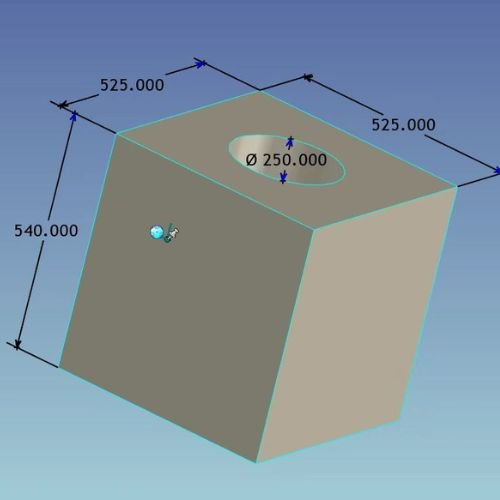
FXZTi has three engineering designers who blend various titanium alloy grades to design molds, prepare raw materials, set temperature values, determine forging ratios, and conduct heat treatments with meticulous attention to detail to meet your specific requirements and maximize cost savings.
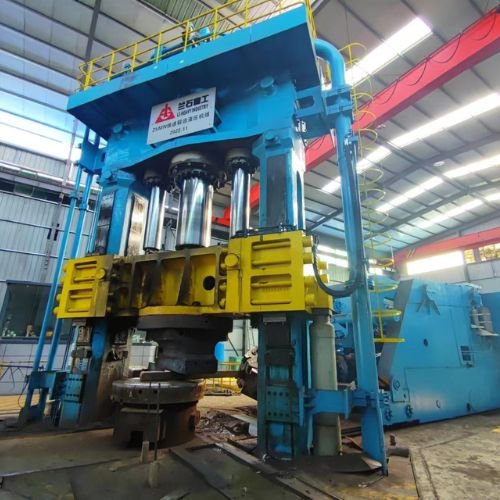
FXZTi has one 2500-ton and one 1000-ton forging equipment, 6 resistance furnaces, and over 20 sawing, milling, and boring machines. Our annual production capacity is over 2,000 tons, and we can deliver the titanium forgings you require quickly.
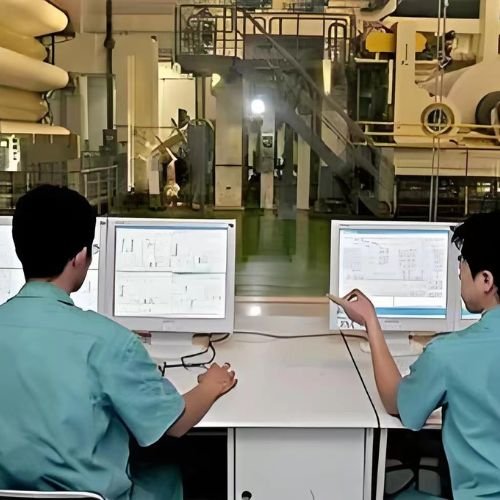
During the production of titanium forgings, we strictly follow the FXZTi ITP (quality inspection plan) and QCP (quality control plan) and maintain complete records of the process to ensure that every titanium forging product you receive has traceable quality.
Titanium Forging Materials
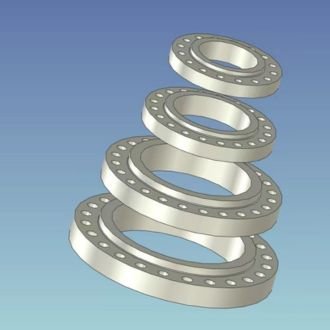
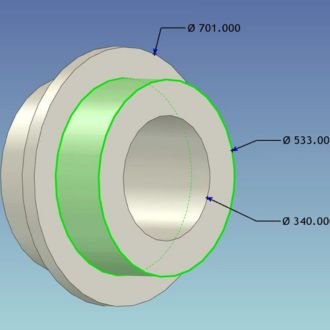
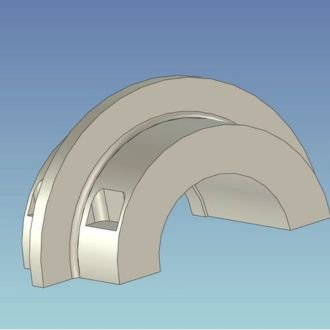
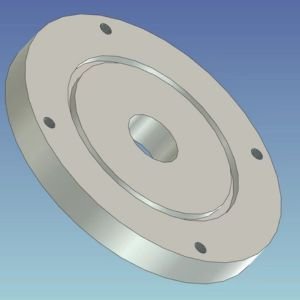
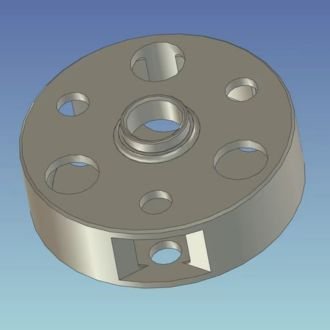
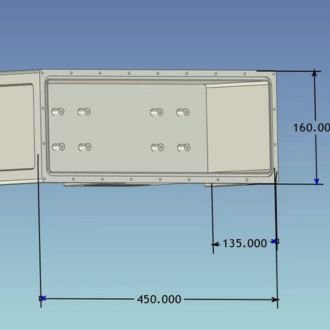
- Titanium Forging 3D Drawings
- Mechanical Properties
| Grade | Tensile strength Rm/MPa |
Tensile strength Rm/MPa |
Tensile strength Rm/MPa |
|
| Gr1 | 240 | 140 | 24 | |
| Gr2 | 400 | 275 | 20 | |
| Gr3 | 500 | 380 | 18 | |
| Gr4 | 580 | 485 | 15 | |
| Gr5 | 895 | 825 | 10 | |
| Gr6 | 685 | 585 | 15 | |
| TA7 | 785 | 680 | 10 | |
| Gr7 | 370 | 250 | 20 | |
| Gr12 | 485 | 345 | 18 | |
| BT-20 | 885 | 825 | 8 | |
| AB-5 | 1030 | 900 | 10 | |